The Ultimate Guide To Thiamine (B1) : Everything You need to Know

Quick Facts for Busy Readers
| Topic | Key Points |
|---|---|
| What it is | Essential water-soluble vitamin |
| Also Known As | Thiamine |
| Benefits | Supports glucose metabolism, nerve, heart, brain, and muscle function |
| Sources | Fortified cereals, pork, tuna, black beans, whole grains |
| Dosage | 1–1.4 mg/day depending on sex and life stage |
| Best Forms | Benfotiamine (enhanced bioavailability) |
| When to Take | With meals to enhance absorption |
| Side Effects | Nausea, stomach ache, diarrhea (rare) |
| Drug Interactions | Raw fish, tea, coffee, shellfish (can interfere with absorption) |
| Important Note | Always consult your healthcare provider before supplementing |
Vitamin B1, or thiamine, is an essential nutrient that helps your body turn food into energy. It supports your nervous system, muscles, heart, and brain.
While it’s found in many everyday foods, deficiency can happen—especially with poor diet or certain health conditions.
This quick guide covers what thiamine does, how much you need, where to get it, and how to use it effectively.
What Is Vitamin B1?
- Name: Vitamin B1
- Also Known As: Thiamine
- What it is: A crucial water-soluble vitamin that plays a central role in energy production and nervous system function. Your body does not store it in large amounts, so regular intake is essential.
What is Vitamin B1 Good For :
Thiamine plays a vital role in:
- Glucose metabolism
- Nerve conduction and muscle function
- Heart and cardiovascular health
Supporting functions in :
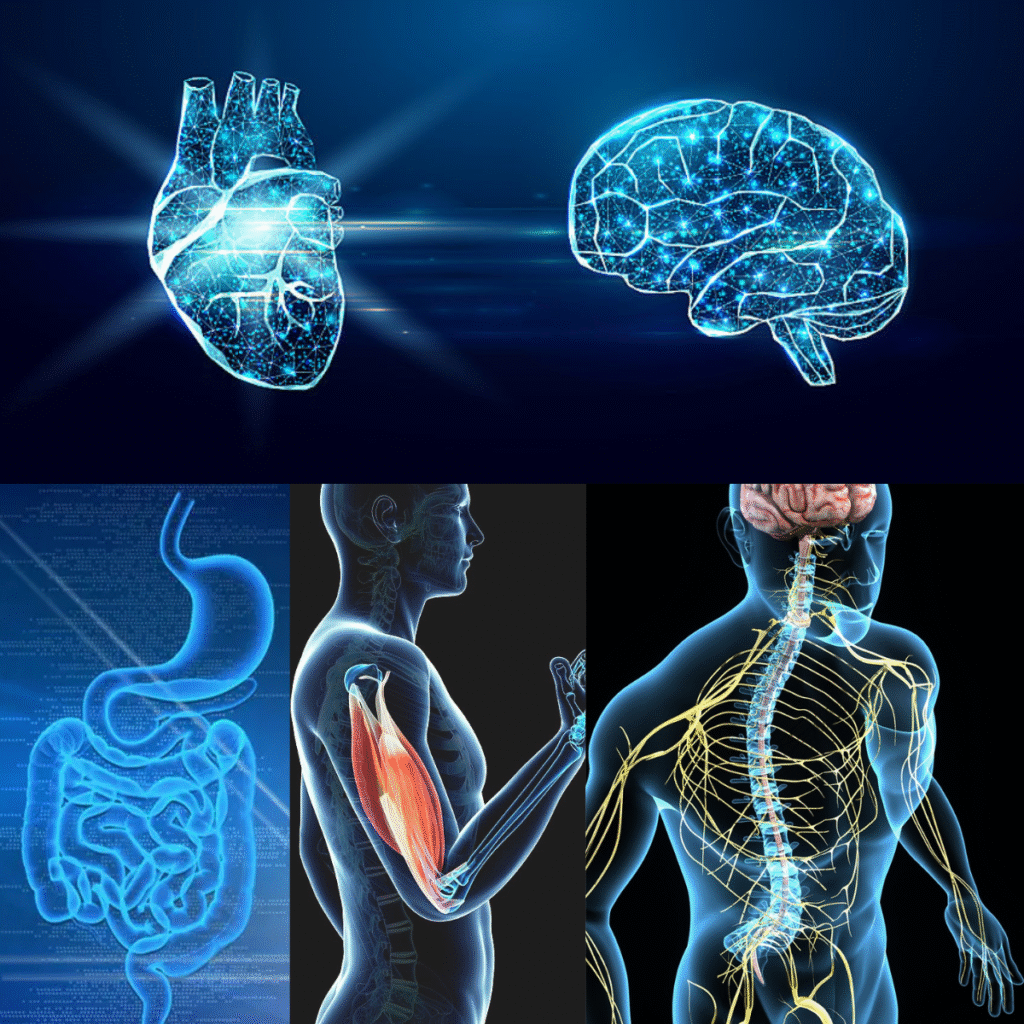
- Nervous system
- Brain
- Muscles
- Heart
- Stomach and intestines
Where does Vitamin B1 Comes From
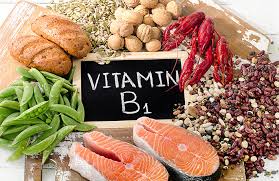
Food sources high in thiamine include:
- Fortified cereals and grains
- Pork
- Tuna and other fish
- Black beans
- Whole grains (especially brown rice and oats)
Tip: Thiamine is easily destroyed by heat, so overcooking may reduce its presence in food.
How Vitamin B1 Works (Mechanism of Action)
Vitamin B1 helps the body:
- Convert carbohydrates, fats, and proteins into glucose (energy)
- Support the enzyme pyruvate dehydrogenase in the Krebs cycle
- Maintain nervous system activity and neurotransmitter synthesis
Thiamine must be converted into its active form Thiamine Pyrophosphate (TPP) — a process that requires magnesium and ATP.
Deficiency Symptoms
Low levels of thiamine can lead to:
- Cardiovascular symptoms (e.g., irregular heartbeat, low blood pressure)
- Muscle weakness
- Swelling (edema)
- Vomiting or anorexia
- Seizures
- Neurological issues (e.g., Wernicke’s encephalopathy or beriberi)
At-risk populations include: Alcoholics, elderly, those with malabsorption, or on high-carb/low-nutrient diets.
Best Forms & Absorption (Bioavailability)
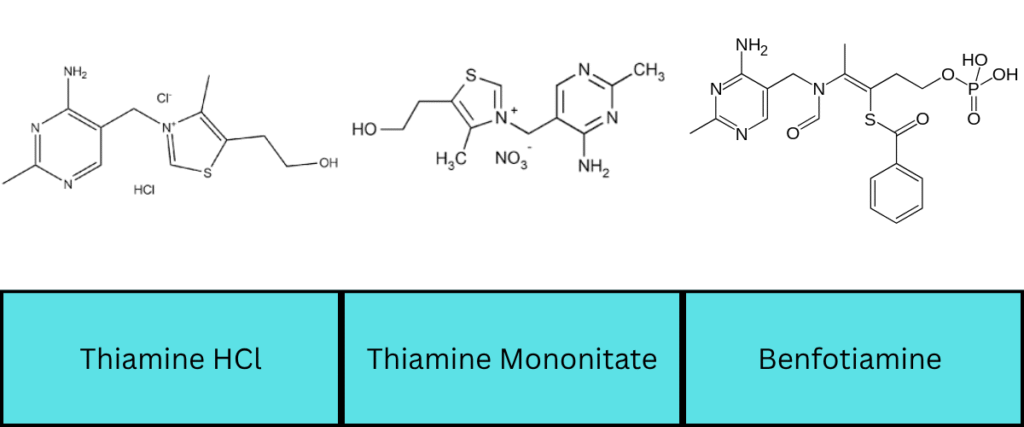
- Thiamine HCl – Most common, affordable, water-soluble
- Benfotiamine – Fat-soluble derivative; better absorption and higher tissue penetration
- Thiamine mononitrate – Used in food fortification; stable form
Tips to boost absorption:
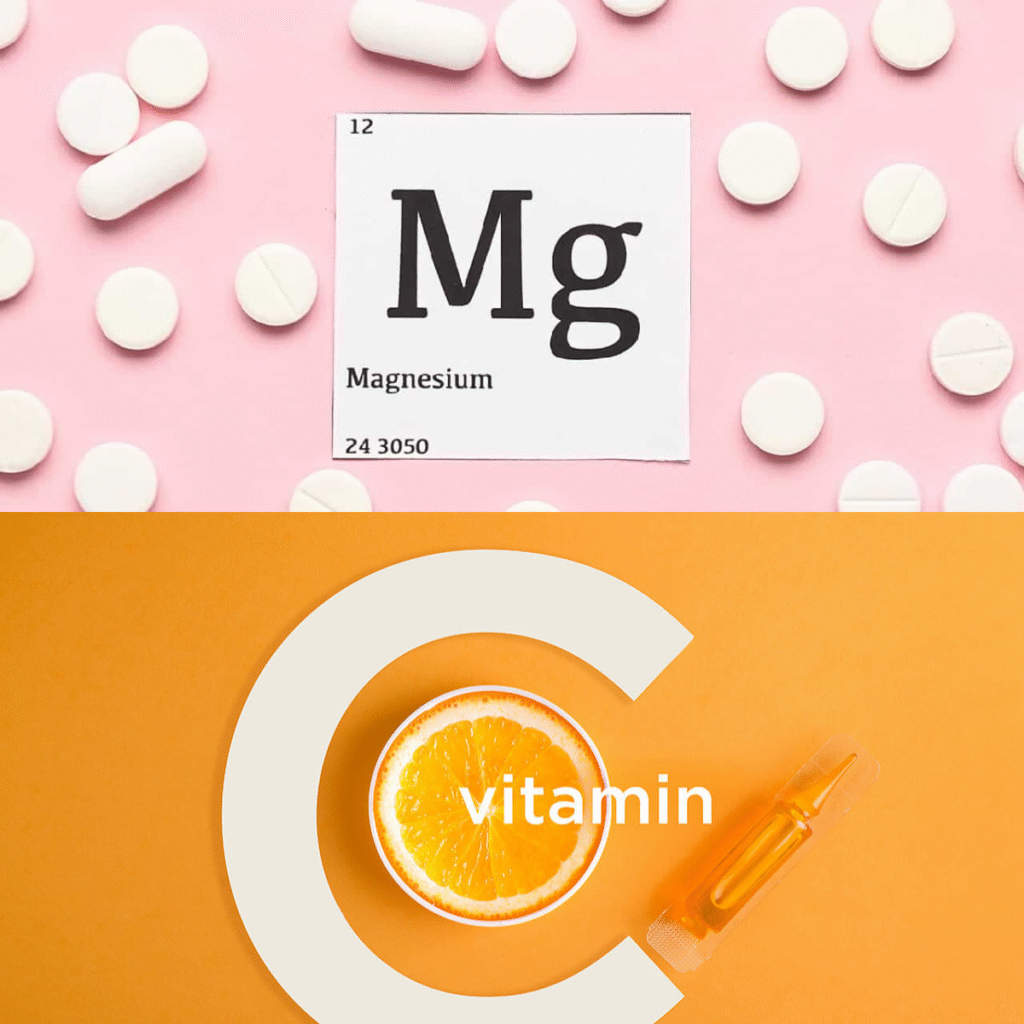
- Take with Vitamin C (lowers gut pH and enhances uptake)
- Magnesium is needed for its activation in the body
How Much Vitamin B1 to Take (Dosage)
| Life Stage | Recommended Daily Intake |
| Adult Males | 1.2 mg/day |
| Adult Females | 1.0 mg/day |
| Pregnant/Breastfeeding | 1.4 mg/day |
How to take it:
Take once daily, preferably with a meal to minimize stomach upset and improve absorption.
Available Forms:
Capsules, tablets, softgels, gummies, fortified foods
![SoftGels vs. Tablets [Which is Best?] | Soft Gel Technologies](https://www.soft-gel.com/wp-content/uploads/2021/12/pills-mixed.jpg)
When to Take Vitamin B1
- Any time of day, though ideally with food
- Taking it with a Vitamin B-complex can enhance synergistic effects
- Avoid taking alongside coffee or tea, which can degrade thiamine in the gut
Side Effects
Thiamine is generally well tolerated. Rare or mild side effects may include:
- Nausea
- Stomach ache
- Diarrhea
High doses from injections (not typical in supplements) can cause allergic reactions or skin irritation.
Can Vitamin B1 Interact With Medications or Foods?
Substance | Effect on Thiamine
| Substance | Effect on Thiamine |
| Raw fish/shellfish | Contains thiaminase, which breaks down thiamine |
| Tea & coffee | Contains tannins that can degrade thiamine |
| Diuretics (e.g., furosemide) | Increase thiamine excretion |
Bonus Tip: Eat Your Thiamine Naturally
Try to include these foods regularly in your diet:
| Food | Serving Size | Thiamine Content (approx.) |
|---|---|---|
| Fortified breakfast cereal | 1 cup | 1.5 mg |
| Pork (cooked, lean) | 3 oz | 0.8–1.1 mg |
| Tuna | 3 oz | 0.2–0.3 mg |
| Black beans | 1 cup cooked | 0.4–0.5 mg |
| Brown rice (cooked) | 1 cup | 0.2 mg |
| Sunflower seeds | ¼ cup | 0.5 mg |
Conclusion
Vitamin B1 (thiamine) is a foundational nutrient that supports your nervous system, energy metabolism, and heart health. While it’s often overlooked, deficiency can lead to serious health issues, especially in those with poor diets or high alcohol intake.
To stay healthy:
- Get enough from your diet (fortified cereals, pork, whole grains)
- Consider supplements if you’re in a high-risk group
- Take it with food and vitamin C to improve bioavailability