CoQ10 Explained: Uses, Dosage, Benefits, and Safety Tips

Quick Facts for Busy Readers
| Topic | Key Points |
|---|---|
| What it is | Naturally occurring nutrient (also known as ubiquinone) vital for energy production and antioxidant defense |
| Benefits | Supports energy, fertility, migraine relief, muscular dystrophy, antioxidant activity, and potential support for diabetes and cancer |
| Dosage | 100–400 mg/day for general use; up to 1,200 mg/day in some conditions; 5–50 mg/kg/day for primary deficiency |
| Common Forms | Capsules, powder, gummies |
| When to Take | With meals containing fat; possibly better absorbed when taken at night |
| Side Effects | Loss of appetite, abdominal pain, diarrhea, nausea, heartburn |
| Drug Interactions | May reduce effectiveness of warfarin; potential interaction with anticancer medications |
| Important Note | Not advised during pregnancy, breastfeeding, or in patients with renal or biliary conditions. Always consult a healthcare provider. |
Coenzyme Q10 (CoQ10) has gained attention for its role in cellular energy, antioxidant defense, and overall vitality.
In this guide, we’ll walk you through what CoQ10 is, what it’s good for, how it works, how much to take, and more.
What Is CoQ10?
Name: Coenzyme Q10
Also known as: Ubiquinone
CoQ10 is a naturally occurring compound found in your body’s cells, primarily within the mitochondria — the “powerhouses” that generate energy. It plays a crucial role in producing adenosine triphosphate (ATP), your body’s main energy source, and also acts as a potent antioxidant that protects cells from oxidative damage.
However, CoQ10 levels naturally decline with age or certain health conditions.
What Is CoQ10 Good For ?
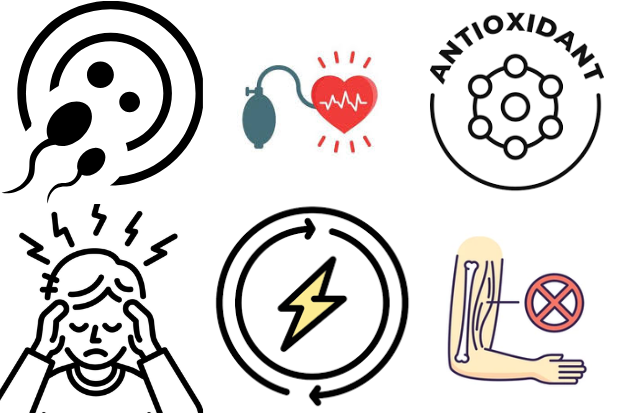
- Energy Production : Essential for generating energy within cells, especially in the heart and muscles.
- Antioxidant Protection : Neutralizes harmful free radicals that can damage cells and contribute to aging and disease.
- Fertility : May enhance reproductive health in both men and women by improving egg and sperm quality.
- Migraine Relief : Shown in studies to help reduce the frequency, duration, and severity of migraine attacks.
- Muscular Dystrophy : May slow the progression of muscle weakness and improve muscle energy levels.
- Other Potential Benefits : Investigated for potential roles in managing diabetes, supporting cancer therapies, and reducing fatigue.
Where CoQ10 Comes From
Natural sources of CoQ10 include:

- Organ meats (liver, heart)
- Fatty fish (salmon, tuna)
- Whole grains
- Nuts, seeds, soy-based products, and certain vegetables
How CoQ10 Works (MOA)
CoQ10 supports your body at the cellular level by:
- Enhancing superoxide dismutase activity, a major antioxidant defense enzyme
- Reducing lipid peroxidation (oxidative damage to fats and cell membranes)
- Supporting mitochondrial ATP production, boosting energy for heart, brain, and muscle function
Signs You Might Need CoQ10
Deficiency symptoms can include:
- Seizures or neurological issues
- Intellectual disability
- Muscle stiffness or weakness
- Abnormal eye movements
- Vision and hearing loss
- Poor muscle tone
Best Forms & Absorption (Bioavailability)
The ubiquinol form (reduced CoQ10) is better absorbed and more bioavailable than the oxidized ubiquinone form.
Common delivery forms:
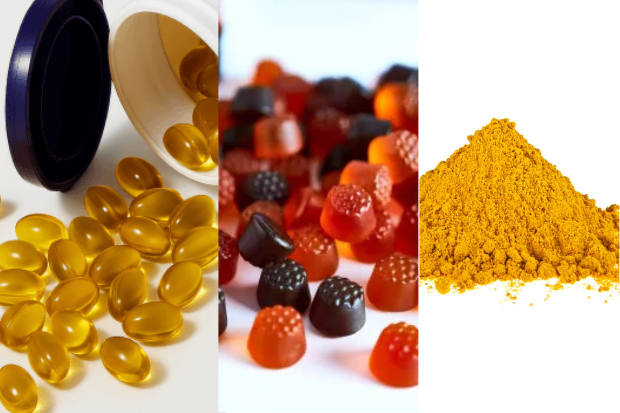
- Softgel capsules
- Gummies
- Powders or chewables
Tip: Taking CoQ10 with a meal containing healthy fats can significantly improve absorption.
How Much CoQ10 to Take (Dosage)
| Use Case | Dosage | Notes |
|---|---|---|
| General Supplementation | 100–400 mg/day | Split doses (morning and evening) may improve absorption |
| Migraine Relief | 100–400 mg/day | Helps reduce migraine frequency and intensity |
| Statin-Associated Muscle Symptoms (SAMS) | 100–600 mg/day | May alleviate statin-related muscle pain |
| Primary CoQ10 Deficiency | 5–50 mg/kg/day | High-dose therapy under medical supervision |
Special Considerations:
- Liver disease: Avoid if biliary obstruction is present
- Kidney disease: Not recommended
- Pregnancy/Breastfeeding: Not advised without medical approval
When to Take CoQ10
- Take with a fat-containing meal to improve absorption
- May be more effective when taken at night, as CoQ10 supports nocturnal energy restoration

Side Effects
Common mild side effects may include:
- Loss of appetite
- Abdominal pain
- Nausea
- Diarrhea
- Heartburn
These effects are generally rare and dose-dependent.
Can CoQ10 Interact With Medications?
Yes. Notable interactions include:
- Warfarin (Coumadin): CoQ10 may reduce its blood-thinning effect, increasing clot risk
- Anticancer medications: May interfere with some chemotherapy drugs’ effectiveness
Always consult your doctor or pharmacist before taking CoQ10 if you’re on prescription medication or managing a chronic condition.
Conclusion
CoQ10 is a vital nutrient that powers your cells, supports heart and brain function, and protects against oxidative stress.
Whether you’re supplementing for heart health, energy, or migraine prevention, choosing the right form and dosage can make all the difference.
If you found this guide helpful, bookmark it or share it with someone interested in natural energy and vitality.