The Ultimate Melatonin Guide: Everyhting You Need To Know

Quick Facts for Busy Readers
| Topic | Key Points |
|---|---|
| What it is | A hormone naturally made by the pineal gland that regulates sleep-wake cycles |
| Also Known As | Melatonin |
| Benefits | Supports sleep, regulates circadian rhythm, helps with jet lag and shift work |
| Sources | Pistachios, walnuts, tart cherries, milk, eggs, rice, oats |
| Dosage | Commonly 1–5 mg; range: 0.2–20 mg, taken 30–60 min before bed |
| Best Forms | Liposomal and sublingual (for fast and effective absorption) |
| When to Take | 30–60 minutes before bedtime |
| Side Effects | Headache, dizziness, nausea, next-day drowsiness |
| Drug Interactions | Seizure meds, contraceptives |
| Important Note | Not a long-term fix; always consult your healthcare provider |
Melatonin is often marketed as a natural sleep aid, but it’s actually a hormone your body produces on its own.
Secreted by the pineal gland in the brain, melatonin plays a key role in regulating your circadian rhythm—the internal body clock that tells you when to sleep and wake. While melatonin levels naturally rise in response to darkness, supplements can help those dealing with sleep disorders, jet lag, or night shift work.
This guide explains how melatonin works, who it may benefit, and how to use it effectively.
What Is Melatonin?
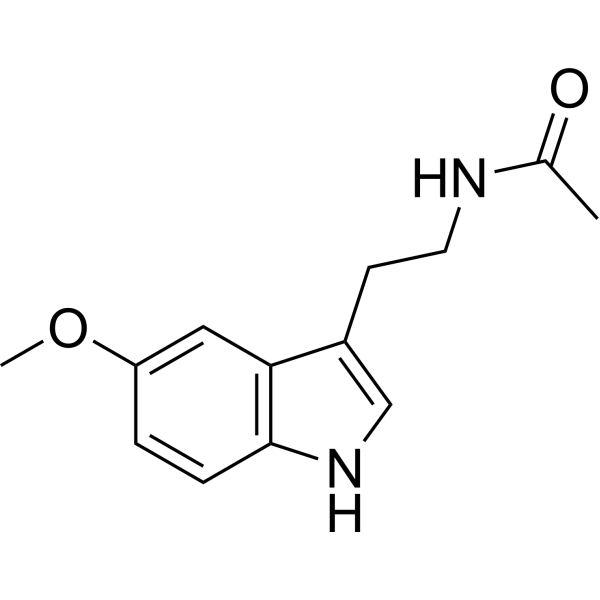
- Name: Melatonin
- Also Known As: Melatonin
- What it is: A hormone naturally produced by the pineal gland in the brain, primarily to regulate the sleep-wake cycle.
What Is Melatonin Good For
Melatonin is commonly used for:
- Trouble falling asleep (Delayed Sleep Phase Syndrome)
- Non-24-hour sleep-wake disorder (especially in blind individuals)
- Jet lag and shift work sleep disorders
- Supporting circadian rhythm regulation in individuals with sleep disturbances
- May improve sleep quality in some people with anxiety or neurodevelopmental conditions

Where Melatonin Comes From
While melatonin is produced by the body, it’s also found in small amounts in:
- Pistachios
- Walnuts
- Tart cherries
- Goji berries
- Eggs
- Milk
- Rice and oats

How Melatonin Works (Mechanism of Action)
Melatonin supports sleep by:
- Binding to melatonin receptors (MT1 and MT2) in the brain and retina
- Regulating circadian rhythms (your biological sleep-wake cycle)
- Signaling the body to prepare for sleep as darkness falls
Signs You Might Need Melatonin
You may benefit from melatonin supplementation if you experience:
- Difficulty falling or staying asleep
- Daytime fatigue or grogginess
- Disrupted sleep from shift work or jet lag
- Chronic insomnia
- Mood changes like irritability or low mood
- Delayed sleep phase (falling asleep and waking up very late)

Best Forms & Absorption (Bioavailability)
- Liposomal melatonin: Enhanced absorption and extended release
- Sublingual melatonin: Fast-acting, dissolves under the tongue
- Slow-release tablets: Great for maintaining sleep throughout the night
How Much Melatonin to Take (Dosage)
| Purpose | Typical Dosage |
|---|---|
| General sleep support | 1–3 mg, 30–60 minutes before bed |
| Jet lag or shift work | 0.5–5 mg before desired sleep |
| Non-24-hour sleep-wake | 0.5–5 mg daily |
| Children (with guidance) | Start at 0.5–1 mg |
Note: Melatonin is sold in doses from 0.2 mg to 20 mg. Start with the lowest effective dose.
- Forms available: Capsules, tablets, gummies, sublingual drops, liquid, powder
When to Take Melatonin
- Standard use: 30 to 60 minutes before bedtime
- Delayed sleep phase: Take earlier in the evening to shift your schedule
- Slow-release: Helps stay asleep through the night
- Important: Use at the same time daily for circadian rhythm support
Side Effects
Melatonin is usually safe, but may cause:
- Drowsiness the next morning
- Headache or dizziness
- Nausea
- Vivid dreams or nightmares (in some individuals)
⚠️ Do not drive or operate machinery for 4–5 hours after taking melatonin.
Who Should Be Careful
Avoid or use cautiously if you:
- Take medications affecting the central nervous system
- Are pregnant or breastfeeding (unless advised by a doctor)
- Have epilepsy or seizure disorders
Can Melatonin Interact With Medications?
- Seizure medications (anticonvulsants): Melatonin may increase seizure risk.
- Birth control pills: May raise melatonin levels, enhancing effects or side effects.
Always consult your healthcare provider before starting melatonin—especially if taking other medications.
Conclusion & Call to Action
Melatonin is a powerful, natural hormone that supports healthy sleep patterns when used correctly. Whether you’re dealing with insomnia, shift work, or jet lag, melatonin can help rebalance your internal clock and improve sleep quality.
However, melatonin isn’t a cure-all. Always start with the lowest effective dose and seek medical advice for long-term use, especially if you’re managing a medical condition or taking prescription medications.
Ready to improve your sleep naturally? Talk to your doctor about whether melatonin is right for you, and subscribe to our newsletter for more sleep and wellness tips.