The Ultimate Guide To Magnesium :All You Need To Know

Quick Facts for Busy Readers
| Topic | Key Points |
| What it is | An essential mineral involved in over 300 enzymatic reactions in the body |
| Also Known As | Mg, Magnesium citrate, bisglycinate, taurate, L-threonate |
| Benefits | Muscle relaxation, sleep, heart rhythm, bone health, pregnancy support |
| Sources | Legumes, soy, nuts, seeds, whole grains, bananas, leafy greens |
| Dosage | RDA ranges from 310–420 mg/day for adults; higher for certain conditions |
| Best Forms | Bisglycinate, glycinate, malate (high bioavailability, gentle on stomach) |
| When to Take | With meals or in the evening (for sleep support) |
| Side Effects | Loose stools, low blood pressure (in excess) |
| Drug Interactions | Can interfere with digoxin, levodopa, bisphosphonates, gabapentin |
| Important Note | People with kidney issues should consult a healthcare provider before use |
Magnesium is one of the most essential—and most overlooked—minerals in the human body. Acting as a cofactor in more than 300 enzyme systems, magnesium plays a central role in muscle function, energy production, nerve signaling, sleep quality, bone health, and stress response.
While it’s found in many common foods, deficiency is surprisingly widespread, especially among individuals under high stress, athletes, and those with certain health conditions. This guide covers everything you need to know about magnesium: what it does, where it comes from, how much you need, the best forms, and how to take it effectively.
1. What Is Magnesium?
- Name: Magnesium
- Also Known As:
- Mg
- Magnesium citrate
- Magnesium bisglycinate
- Magnesium taurate
- Magnesium L-threonate
What Is Magnesium?
Magnesium is a mineral your body needs for energy production, muscle and nerve function, heart rhythm, and bone development. It acts as a cofactor in over 300 enzymatic reactions regulating biochemical pathways in the body.
(it’s beyond essential so that your body can operate )
What Is Magnesium Good For
Magnesium helps with:
- Muscle relaxation and cramp reduction
- Better sleep quality
- Energy production
- Stress regulation and adrenal support
- Heart rhythm and cardiovascular function
- Bone strength and calcium metabolism
- Nerve transmission and blood sugar control
- Blood pressure regulation
- Supporting pregnancy and fetal development
Where Magnesium Comes From (Dietary Sources)
Rich food sources include:
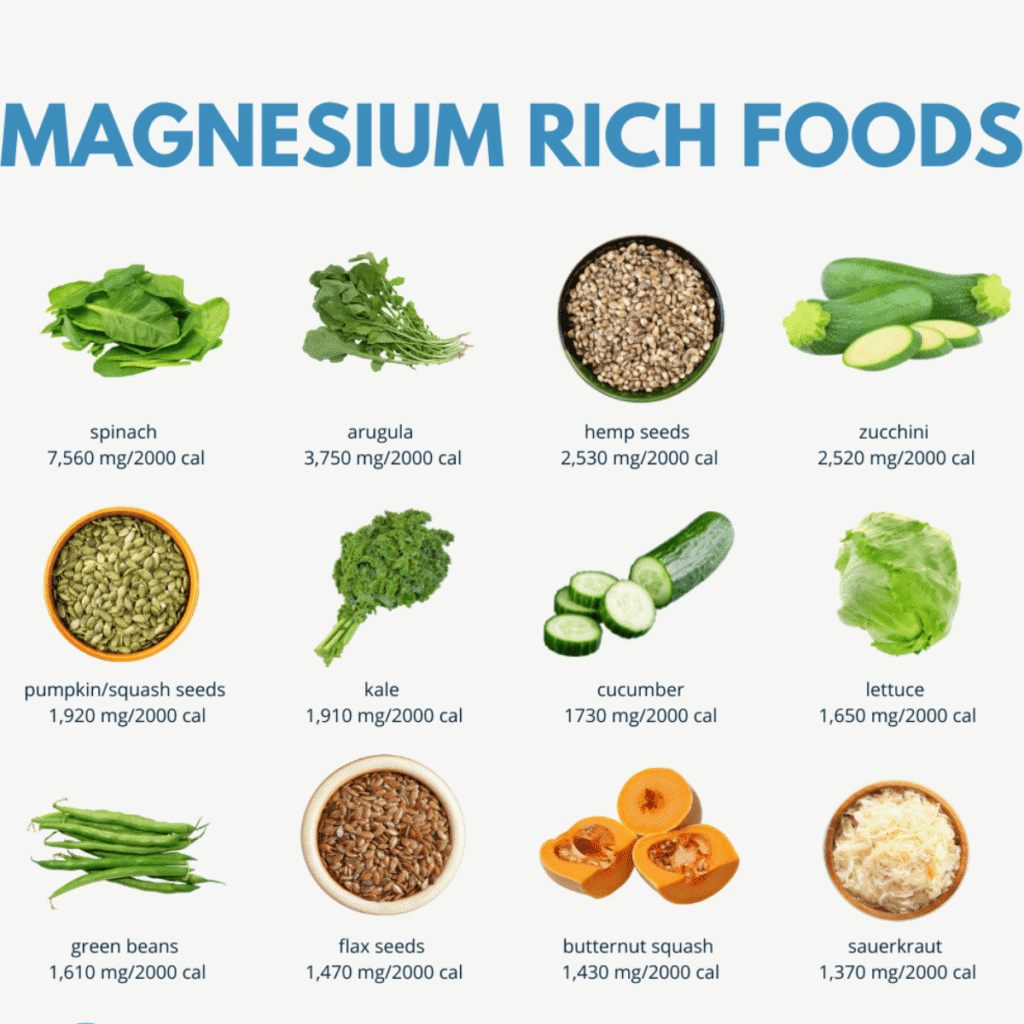
- Soy products (milk, tofu, flour)
- Legumes and seeds
- Nuts (almonds, cashews, Brazil nuts)
- Peanuts and peanut butter
- Whole grains (brown rice, oats, millet)
- Fruits like bananas, dried apricots
- Leafy greens such as spinach
How Magnesium Works (Mechanism of Action)
Magnesium works by:
- Helps activate enzymes that produce energy
- Supports nerve impulse transmission
- Maintains electrolyte balance and muscle contraction
- Regulates blood pressure and glucose levels
- Affects calcium and potassium movement across cell membranes
Signs You Might Need Magnesium
Symptoms of magnesium deficiency:

- Fatigue and low energy
- Muscle cramps, spasms, or tremors
- Trouble sleeping
- Irritability, anxiety
- Numbness or tingling
- Loss of appetite
In severe cases:
- Hypocalcemia (low calcium)
- Hypokalemia (low potassium)
- Cardiac arrhythmias
6. Best Forms & Absorption (Bioavailability)
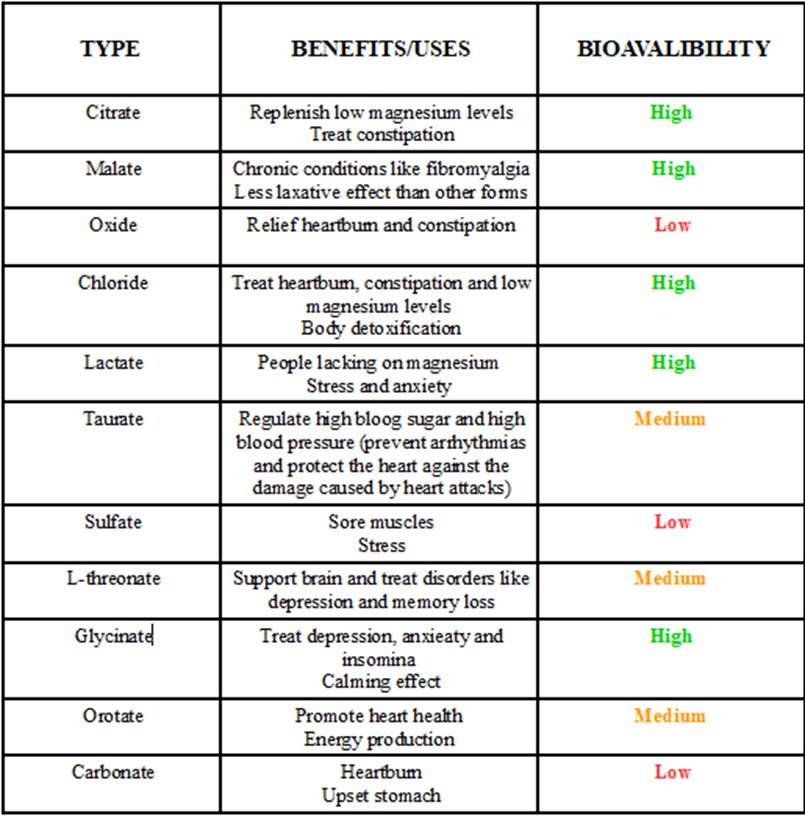
Tips to improve absorption:
- Take with food
- Combine with vitamin B6 or potassium
How Much Magnesium to Take (Dosage)
Recommended Dietary Allowances (RDAs)
| Age Group | Male (mg/day) | Female (mg/day) |
| Birth–6 months (AI) | 30 | 30 |
| 7–12 months (AI) | 75 | 75 |
| 1–3 years (RDA) | 80 | 80 |
| 4–8 years | 130 | 130 |
| 9–13 years | 240 | 240 |
| 14–18 years | 410 | 360 |
| 19–30 years | 400 | 310 |
| 31–50 years | 420 | 320 |
| 51+ years | 420 | 320 |
Condition-Specific Dosages
| Condition | Dosage |
| Constipation | 240 mg magnesium citrate per day |
| Sleep support | 320–729 mg |
| Blood sugar control | 250 mg per day |
| Muscle cramps | 300 mg daily |
| Depression | ≥300 mg daily |
| Exercise performance | 350 mg daily |
| PMS (premenstrual syndrome) | 200 mg daily |
| Migraine prevention | 500–600 mg daily |
How to take it:
Once or twice daily with meals, or in the evening for sleep
Forms available:
Capsules, tablets, powders, liquids, gummies

When to Take It
- Evening: To promote relaxation and sleep
- With meals: Enhances absorption and reduces GI upset
- Twice daily: For conditions like cramps or migraines, consider splitting the dose
Side Effects
Common (especially at high doses):
- Loose stools or diarrhea
- Mild stomach discomfort
Rare:
- Low blood pressure (in very high doses)
- Electrolyte imbalances (in those with kidney disease)
Who Should Be Careful
Use caution or consult a healthcare provider if you:
- Have kidney disease (risk of magnesium accumulation)
- Are pregnant or breastfeeding
- Are taking multiple medications that interact with minerals
Can Magnesium Interact With Medications?
| Medication | Interaction |
| Levodopa/Carbidopa | Magnesium may reduce effectiveness. Avoid magnesium oxide with this drug. |
| Bisphosphonates | Magnesium may reduce absorption. Take at least 2 hours apart. |
| Digoxin (Lanoxin) | Magnesium can reduce digoxin absorption and effectiveness |
| Gabapentin (Neurontin) | Magnesium reduces absorption. Separate doses by 2–6 hours |
Extra Tips
- Chelated forms (like bisglycinate) are gentler on digestion and better absorbed
- Combine with Vitamin B6 or potassium for synergistic effects
- Avoid taking magnesium supplements with calcium or zinc unless formulated together, as they may compete for absorption
- If you’re sensitive to laxatives, avoid magnesium citrate or oxide
Conclusion
Magnesium is more than just a mineral—it’s a key player in over 300 biochemical reactions that keep your body running smoothly. From supporting muscle and nerve function to improving sleep, heart health, and stress resilience, magnesium is essential at every stage of life. Whether you’re managing a deficiency, dealing with cramps or fatigue, or optimizing overall wellness, choosing the right form—like bisglycinate or citrate—can make a big difference in absorption and results.
Ready to take control of your magnesium intake?