The Creatine Ultimate Guide : All You Need To Know
Quick Facts for Busy Readers
| Topic | Key Points |
| What it is | Naturally occurring compound made from three amino acids (methionine, glycine, arginine) |
| Benefits | Improves strength, muscle recovery, brain function, reduces injury risk |
| Dosage | Loading: 20g/day (5g 4× daily, 5 days); Maintenance: 3–5g/day |
| Common Forms | Powder, capsules, creatine monohydrate, creatine HCl |
| When to Take | After workouts for best results; consistency is key |
| Side Effects | Nausea, GI upset, elevated creatinine (non-harmful), headache |
| Drug Interactions | NSAIDs, diuretics—may stress kidneys |
| Conclusion | Creatine |

Creatine Monohydrate is one of the most researched and effective supplements in the fitness world—but it’s much more than a muscle-builder. This compound, made from three amino acids, plays a key role in cellular energy production, muscle performance, and even brain health.
Whether you’re an athlete, student, or just looking to boost energy and recovery, this guide breaks down what creatine does, how it works, and how to use it correctly.
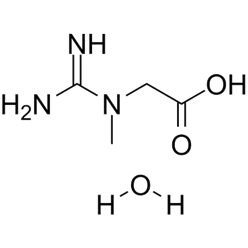
What is Creatine ?
Also known as:
Creatine Monohydrate, Creatine Ethyl Ester (CEE)
Creatine is a natural compound derived from the amino acids :
- Methionine
- Glycine
- Arginine
Your body produces some creatine on its own, but you can also get it from foods ,or by supplementing with creatine.
What Is Creatine Good For?
Creatine may help with:
- Increased muscle strength and recovery
- Enhanced memory and brain function, especially in older adults
- Reduced risk of dehydration and cramping
- Protection from muscle, ligament, and tendon injuries
- Improved exercise performance in high-intensity, short-duration activities
Where Does Creatine Come From?

- Red meat
- Poultry
- Fish
*Supplements offer much higher doses than dietary intake alone.
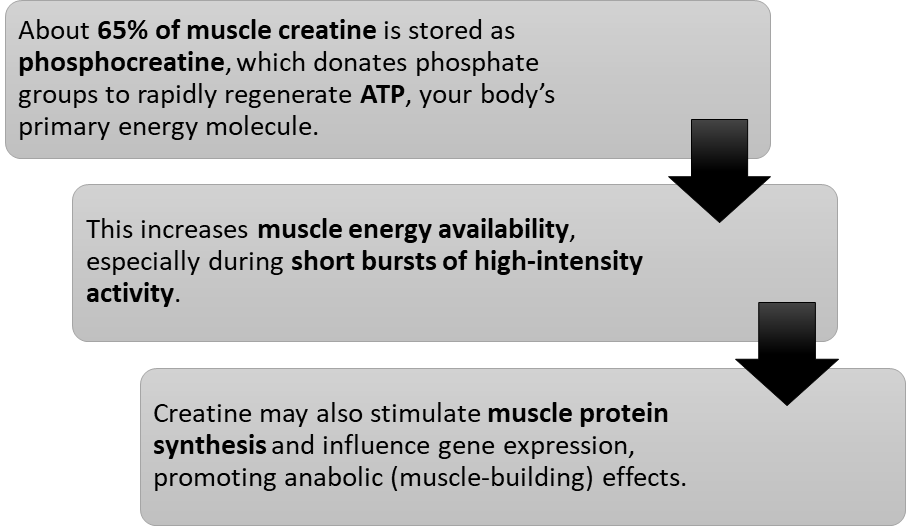
How Does Creatine Work? (Mechanism of Action)
Signs You Might Need Creatine
Low creatine or creatine deficiency syndromes (CDS) may cause:
- Intellectual disability or speech delays
- Movement disorders or seizures
- Muscle weakness and fatigue
- Developmental delays and behavioral issues
These are typically genetic and diagnosed in childhood.
Best Forms & Absorption (Bioavailability)
- Creatine Monohydrate – Most researched and cost-effective
- Creatine Hydrochloride (HCl) – Smaller doses needed; easier on the stomach
- Creatine Ethyl Ester (CEE) – May elevate serum creatinine more; no proven benefit over monohydrate
How Much Creatine to Take (Dosage)
| Use Case | Dosage | Notes |
| Loading Phase | 20–25g/day (5g × 4 times/day, 5 days) | Fastest way to saturate muscles |
| Maintenance Phase | 3–5g/day | Long-term, consistent use is key |
| Chronic Protocol | 3g/day for 28 days | Slower loading, same results |
| Brain Health | 2.2–20g/day (in studies, 5–24 weeks) | Often used in older adults |
*Bonus Tip: Take creatine with food or protein to improve absorption.
Do not exceed 30g/day. Use 0.3g/kg for loading, 0.03g/kg for maintenance.
Forms of Creatine Available
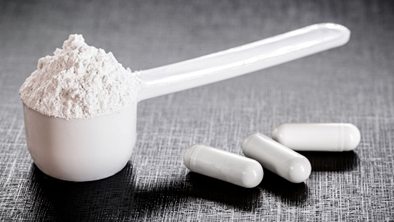
1 – Powder
- Most common and affordable
- Easily mixed with water or shakes
2-Capsules/Tablets
- Convenient but may require multiple pills for full dose
When to Take Creatine
- Post-workout is optimal—muscles are primed for nutrient absorption
- Take with a meal or shake (especially one containing carbs or protein)
- Timing is less important than daily consistency
Side Effects
Creatine is generally safe but may cause:
- Nausea or bloating
- Stomach discomfort
- Mild headaches
- Elevated serum creatinine (a normal byproduct, not kidney damage)
Not recommended for adolescents or people with pre-existing kidney issues.
Can Creatine Interact With Medications?
Yes. Use caution with:
| Medication Type | Interaction |
| NSAIDs (ibuprofen, etc.) | May increase risk of kidney strain |
| Diuretics (e.g., HCTZ) | May compound dehydration or kidney stress |
Monitor kidney function if combining with these. Stay well-hydrated.
Important Note
While creatine is safe for healthy adults, always check with a doctor or pharmacist before starting—especially if you take medications or have health concerns.
Conclusion
Want stronger muscles, faster recovery, and a brain boost—all in one? Creatine is your go-to. Just stick to the right dose, take it consistently (post-workout is prime time), and stay hydrated. Ready to level up? Let’s go!