The Ultimate Guide To Berberine :Everything You need to Know
Berberine Quick Facts for Busy Readers
| Topic | Key Points |
|---|---|
| What is Berberine? | Natural compound found in plants; supports metabolic and cardiovascular health. |
| Benefits | Blood sugar control, heart health, cholesterol, inflammation, weight support |
| Dosage | 1,000–1,500 mg/day in divided doses before meals |
| Common Forms | Capsules, powder |
| When to Take | Before or between meals; avoid taking late at night |
| Side Effects | Gas, constipation, upset stomach |
| Drug Interactions | Interacts with metformin, losartan, cyclosporine |
| Important Note | Always consult a pharmacist or doctor before starting berberine supplements |
You’ve probably come across berberine if you’ve researched natural supplements for blood sugar, weight loss, or heart health. But what exactly is it—and does it actually work?
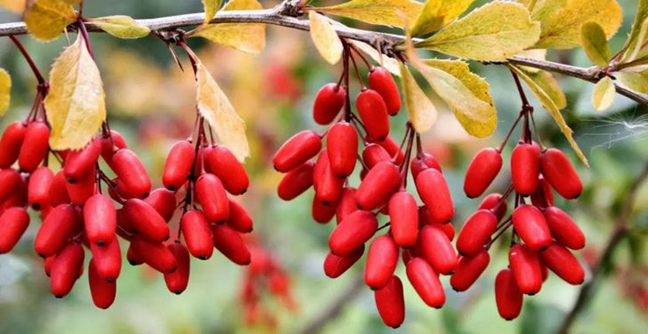
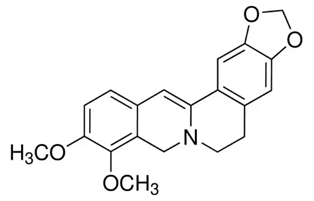
Berberine is a powerful compound extracted from several plants, including barberry and goldenseal. It’s been used in traditional medicine for centuries, but modern science now confirms its potential to support everything from blood sugar regulation and cholesterol control to gut health and metabolic function. What makes berberine unique is how it works at the cellular level—activating AMPK, an enzyme often referred to as your body’s “metabolic master switch.”
This quick guide breaks down everything you need to know about berberine: how it works, what it’s good for, how much to take, and when to take it—so you can decide if it belongs in your health routine.
What Is Berberine?
Berberine is a natural bioactive compound found in various plants and used traditionally for centuries. Modern research confirms its role in:
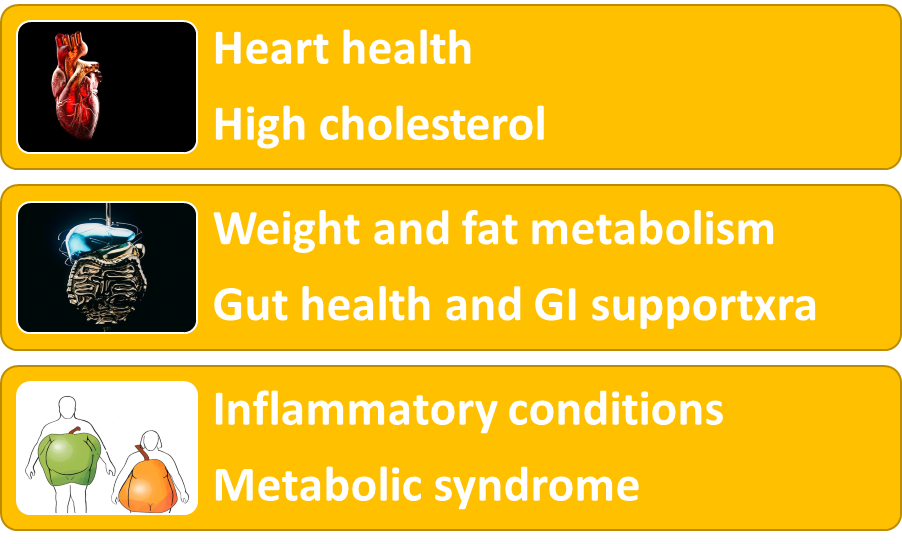
- Supporting blood sugar regulation
- Improving cholesterol and heart health
- Enhancing metabolic function
What sets it apart? It activates AMPK, your body’s “metabolic master switch.”
What Is Berberine Good For?
Berberine may help with:
Where Does Berberine Come From?
Berberine is naturally sourced from:
- Barberry
- Goldenseal
- Oregon grape
These plant sources have been used in traditional medicine for thousands of years.
How Berberine Works (Mechanism of Action)
Berberine helps regulate metabolism by:
- Activating AMPK – an enzyme that improves glucose and lipid metabolism
- Enhancing cellular energy use
- Improving insulin signaling and sensitivity
This mechanism supports balanced blood sugar, cholesterol, and fat burning.
Signs You Might Need Berberine
You may benefit from berberine if you experience:
- Type 2 diabetes or insulin resistance
- High LDL cholesterol or triglycerides
- High blood pressure
- Symptoms of metabolic syndrome
Best Forms of Berberine & Absorption (Bioavailability)
- Dihydroberberine (dhBBR) offers the best absorption and bioavailability—may allow for lower dosages
- Standard capsules or powder are widely available but may require larger doses
Berberine Dosage Guidelines
| Use Case | Dosage | Notes |
|---|---|---|
| General Use | 1,000–1,500 mg/day | Typically 500 mg before meals, 2–3 times daily |
| Enhanced Absorption | Use dhBBR variant | May achieve effects with smaller doses due to better uptake |
Note: Berberine leaves the body quickly. Split doses throughout the day for effectiveness.
When to Take Berberine
- Best timing: 15–30 minutes before meals
- Alternative: Between meals for steady blood sugar
- Avoid: Late-night doses (may disrupt digestion or sleep)
Common Forms of Berberine
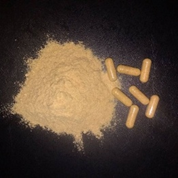
- Capsules – Most popular and convenient
- Powder – Allows flexible dosing but may be bitter in taste
Berberine Side Effects
Some individuals may experience:
- Gas or bloating
- Constipation
- Upset stomach or cramps
These effects often improve when taken with food or at a lower dose initially.
Berberine Drug Interactions – Use With Caution
| Drug | Interaction |
|---|---|
| Metformin | May increase metformin levels and side effects if taken close together |
| Losartan | May reduce the drug’s liver activation, lowering its effectiveness |
| Cyclosporine | May slow drug breakdown, increasing its concentration and potential side effects |
Always consult your doctor or pharmacist before combining berberine with prescription medications.
Final Thoughts – Should You Try Berberine?
Berberine is a well-studied natural compound that may offer powerful benefits for:
- Blood sugar and insulin control
- Cardiovascular and metabolic health
- Weight and fat regulation
If you’re managing diabetes, high cholesterol, or metabolic syndrome, berberine may be worth adding to your routine—with the guidance of your healthcare provider.
With proper timing, form, and dosage, it might just be the metabolic upgrade your body needs.