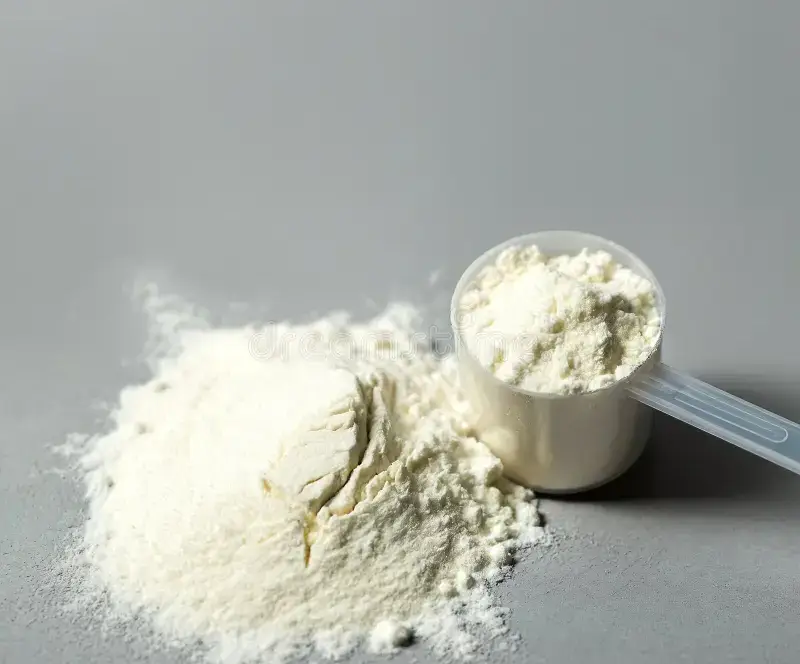
The Complete Guide to Protein Powder: Types, Benefits, and Uses

Quick Facts for Busy Readers
| Topic | Key Points |
| What it is | A concentrated source of dietary protein, often from dairy, eggs, or plants |
| Also Known As | Protein supplements, protein shakes, powdered protein |
| Benefits | Muscle growth, weight loss, recovery, immune support, blood sugar balance |
| Common Forms | Whey, Casein, Soy, Egg White, Pea, Hemp |
| When to Take | Post-workout (whey); before bed (casein); varies by type and use |
| Side Effects | Bloating, gas, digestive upset (esp. with lactose) |
| Drug Interactions | Minimal; possible with kidney/liver conditions in high doses |
| Important Note | Choose high-quality products; check for allergies and dietary needs |
Protein powders are one of the most popular and effective dietary supplements used worldwide. Whether your goal is to build lean muscle, recover faster from workouts, manage weight, or supplement your diet, there’s a type of protein powder to suit your needs.
This guide covers everything you need to know—types, uses, when to take them, and which is right for you.
1. What Is Protein Powder?
Also known as: Protein supplements, protein shakes, powdered protein
Protein powders are concentrated or isolated forms of protein extracted from animal or plant sources like milk, soy, peas, or eggs. They’re designed to provide high-quality protein in a convenient, quickly digestible form.
2. What Is It Good For?
Protein powder offers a wide range of health and performance benefits:

- Builds Muscle – Supports muscle growth and strength, especially when paired with resistance training
- Enhances Recovery – Helps repair muscle tissue after workouts
- Weight Loss Support – Promotes satiety and preserves lean mass during fat loss
- Improves Body Composition – Encourages fat loss and lean muscle retention
- Supports Heart Health – Some types (whey) can lower LDL cholesterol and blood pressure
- Regulates Blood Sugar – Can help balance glucose when consumed with carb-rich meals
- Boosts Antioxidant Defenses – Especially whey, by increasing glutathione levels

3. Where It Comes From
Protein powders are derived from a variety of sources:
- Whey & Casein – From cow’s milk; complete proteins with high digestibility
- Soy – Plant-based, complete protein
- Egg Whites – Animal-based, dairy-free option
- Pea – Easily digested, plant-based, but incomplete
- Hemp – Plant-based, low in protein but rich in omega-3s and fiber
How Much Protein Is in Common Foods?
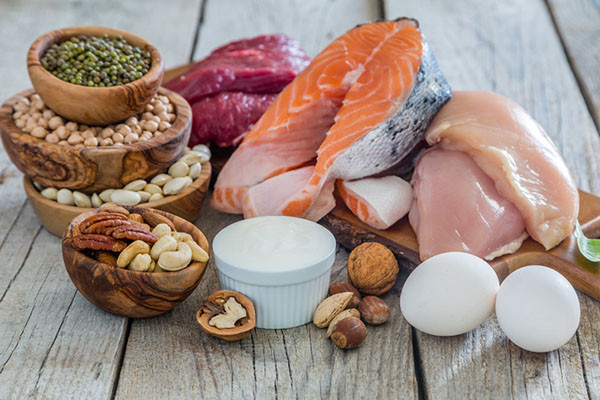
| Food | Serving Size | Protein Content |
| Grilled chicken breast | 3 ounces | 29.5 grams |
| Ground turkey | 3 ounces | 23.3 grams |
| Salmon | 3 ounces | 21.6 grams |
| Greek yogurt (nonfat, plain) | 7 ounces (1 container) | 19.9 grams |
| Tempeh | 100 grams | 19.9 grams |
| Edamame | 1 cup | 18.4 grams |
| Firm tofu | 3 ounces | 9.16 grams |
| Hard-boiled egg | 1 large | 6.3 grams |
- Tip: If you’re plant-based, mix protein sources (like rice + peas) to ensure you’re getting all essential amino acids.
4. How It Works (Mechanism of Action)
- Supplies essential amino acids necessary for muscle protein synthesis (MPS)
- Increases anabolic signaling post-exercise
- Stimulates satiety hormones like GLP-1 and PYY, reducing appetite
- Whey protein also enhances glutathione, a key antioxidant
5. Signs You Might Need It
You may benefit from protein supplementation if you:
- Struggle to meet protein needs through food
- Engage in intense workouts or strength training
- Are vegetarian or vegan with limited protein diversity
- Have increased needs due to illness, injury, or age
- Experience slow recovery, fatigue, or muscle loss
6. Best Forms & Absorption (Bioavailability)
| Protein Type | Absorption Speed | Notes |
| Whey Isolate | Fast | High protein %, low lactose and fat; ideal post-workout |
| Whey Concentrate | Moderate | More affordable; contains lactose and fat |
| Whey Hydrolysate | Very Fast | Pre-digested; great for sensitive digestion |
| Casein | Slow | Great for overnight recovery; slowly releases amino acids |
| Egg White Protein | Moderate | Dairy-free, complete; good post-workout or meal replacement |
| Soy Protein | Moderate | Complete plant protein; may not be suitable for hormone-sensitive users |
| Pea/Hemp/Rice | Slow-Moderate | Combine to form a complete amino acid profile |
7. How Much to Take (Dosage)
General Guidelines
- 0.8–1.0g protein per kg body weight/day for sedentary individuals
- 1.2–2.2g/kg/day for athletes or those in strength training
- 25–30g per serving is typical for protein powder supplements
Daily Protein Requirements (From All Sources)
Use a TDEE calculator to estimate total calorie needs, then aim for:
- ~25% of total calories from protein
- Divide protein calories by 4 to get grams/day
8. When to Take It

- Whey Protein – Take within 30–60 minutes post-workout for best muscle recovery
- Casein Protein – Take before bed to provide overnight amino acid release
- Other types – Can be used as a meal replacement or snack depending on goals
9. Side Effects
Protein powder is generally safe, but can cause:
- Bloating or gas (especially whey concentrate due to lactose)
- Digestive upset (if taken in large amounts or too quickly)
- Possible allergic reactions (e.g., soy, milk, egg proteins)
- Rare: kidney strain in people with pre-existing kidney disease
10. Who Should Be Careful
- People with liver or kidney disease (consult a healthcare provider)
- Individuals with milk, egg, or soy allergies
- Those with hormone-sensitive cancers (limit soy protein)
11. Can It Interact With Medications?
Protein supplements generally have low risk of drug interaction , but high protein intake might:
- Affect kidney function in people with chronic kidney conditions
- Interfere with thyroid medication absorption (if taken together)
Always consult your physician if you’re on long-term medications or have chronic illnesses.
12. Extra Tips
- Avoid added sugars, fillers, or artificial flavors
- Combine incomplete plant proteins (e.g., pea + rice) for a complete amino acid profile
- Mix with water, milk, or smoothies depending on your goals
- Don’t rely solely on powders—whole food proteins are important too
Conclusion
Protein powder can be a powerful tool to meet your nutritional needs, enhance performance, and support long-term health. From whey and casein to plant-based options like soy or pea, there’s a powder for every preference and goal.
Start by calculating your daily needs, choose a form that fits your lifestyle, and use it consistently around your workouts or meals. And remember: quality matters—go for clean, tested, and well-sourced protein products.
When used wisely, protein powder is more than just a fitness trend—it’s a smart supplement for a strong, healthy body.