The Power of Zinc: From Immune Support to Skin Health

Quick Facts at a Glance
| Topic | Key Points |
| What it is | Essential trace mineral and enzymatic cofactor |
| Also Known As | Zinc aspartate, zinc bisglycinate, chelated zinc |
| Benefits | Supports immunity, wound healing, skin health, anti-inflammatory |
| Food Sources | Oysters, red meat, poultry, legumes, nuts, seeds |
| Best Absorbed Form | Zinc bisglycinate or diglycinate |
| When to Take | On an empty stomach, preferably in the evening |
| Who Should Be Careful | People taking antibiotics or with GI sensitivities |
| Medication Interactions | Can reduce absorption of certain antibiotics |
| Side Effects | Nausea, vomiting, stomach cramps at high doses |
Introduction: The Essential Mineral for Immunity, Healing & Hormonal Balance
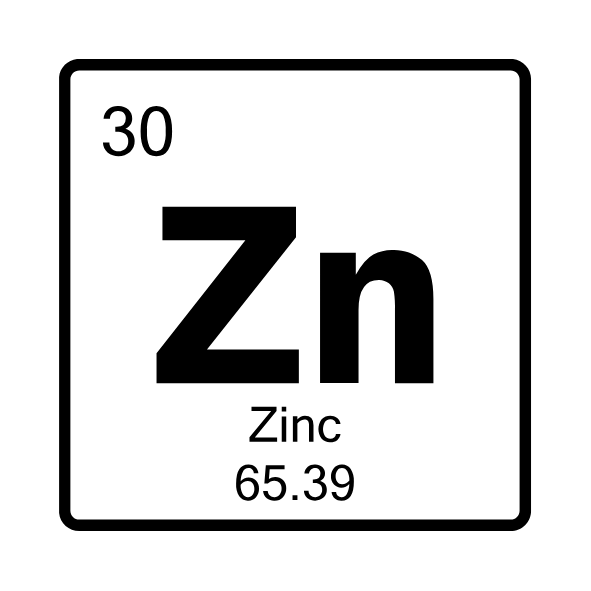
Zinc is a trace mineral that your body needs in small but critical amounts. Though often overlooked, zinc plays a significant role in immune health, wound healing, skin repair, hormone balance, and even your sense of taste and smell. It acts as a cofactor for over 300 enzymes, making it essential for DNA synthesis, growth, and cellular repair.
If you’re noticing slow wound healing, frequent infections, or changes in taste, you might be low on zinc. Let’s explore how this essential mineral keeps your body running efficiently—and how to make sure you’re getting enough of it.
What Is Zinc?
- Name: Zinc
- Also Known As: Aspartate de Zinc, Zinc bisglycinate, Chelated Zinc
- What It Is: An essential mineral required for hundreds of biochemical reactions throughout the body. It’s crucial for growth, immunity, metabolism, and tissue repair.
What Is Zinc Good For
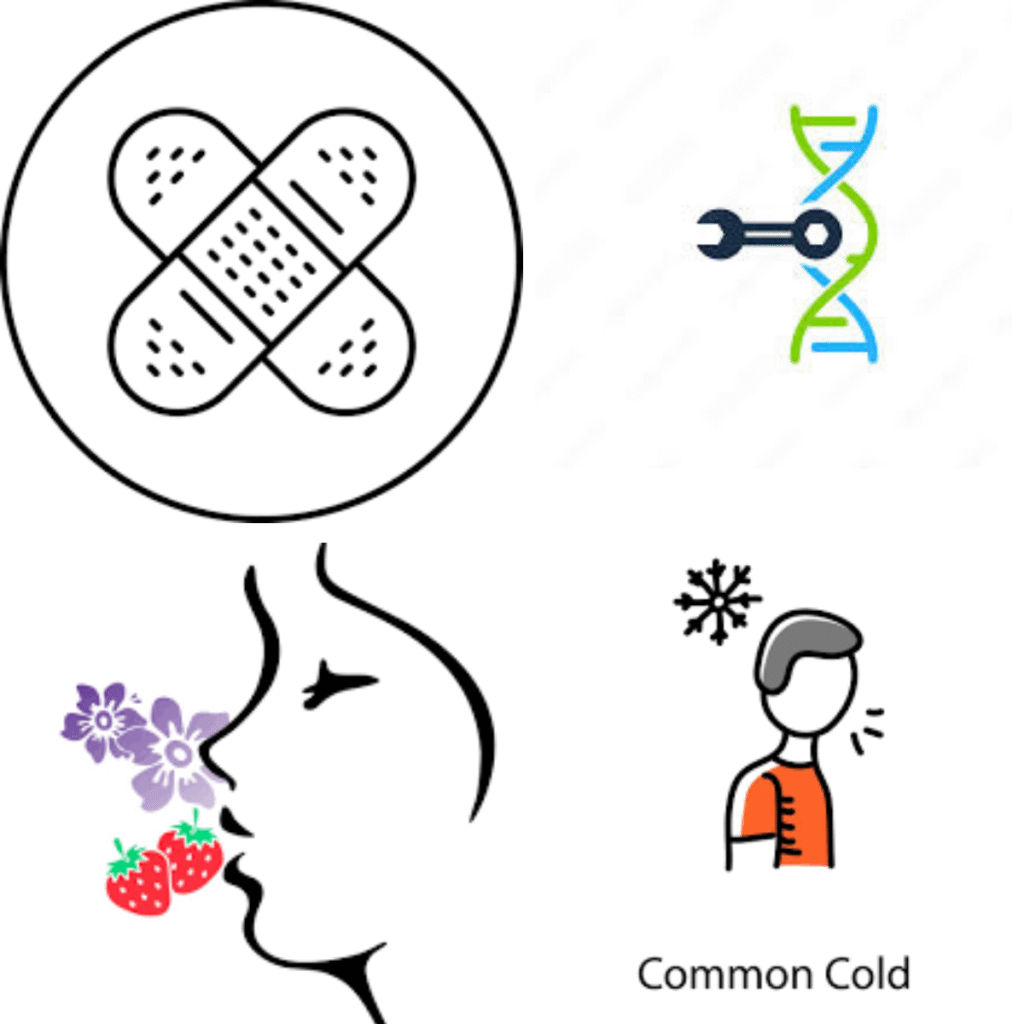
Zinc supports:
- Immune system function and defense
- Wound and ulcer healing
- DNA synthesis and cellular repair
- Shortening the duration of colds
- Reducing inflammation and acne
- Improving taste, smell, and cognitive function
- Slowing progression of age-related macular degeneration (AMD)
Where Zinc Comes From
Food sources of zinc include:
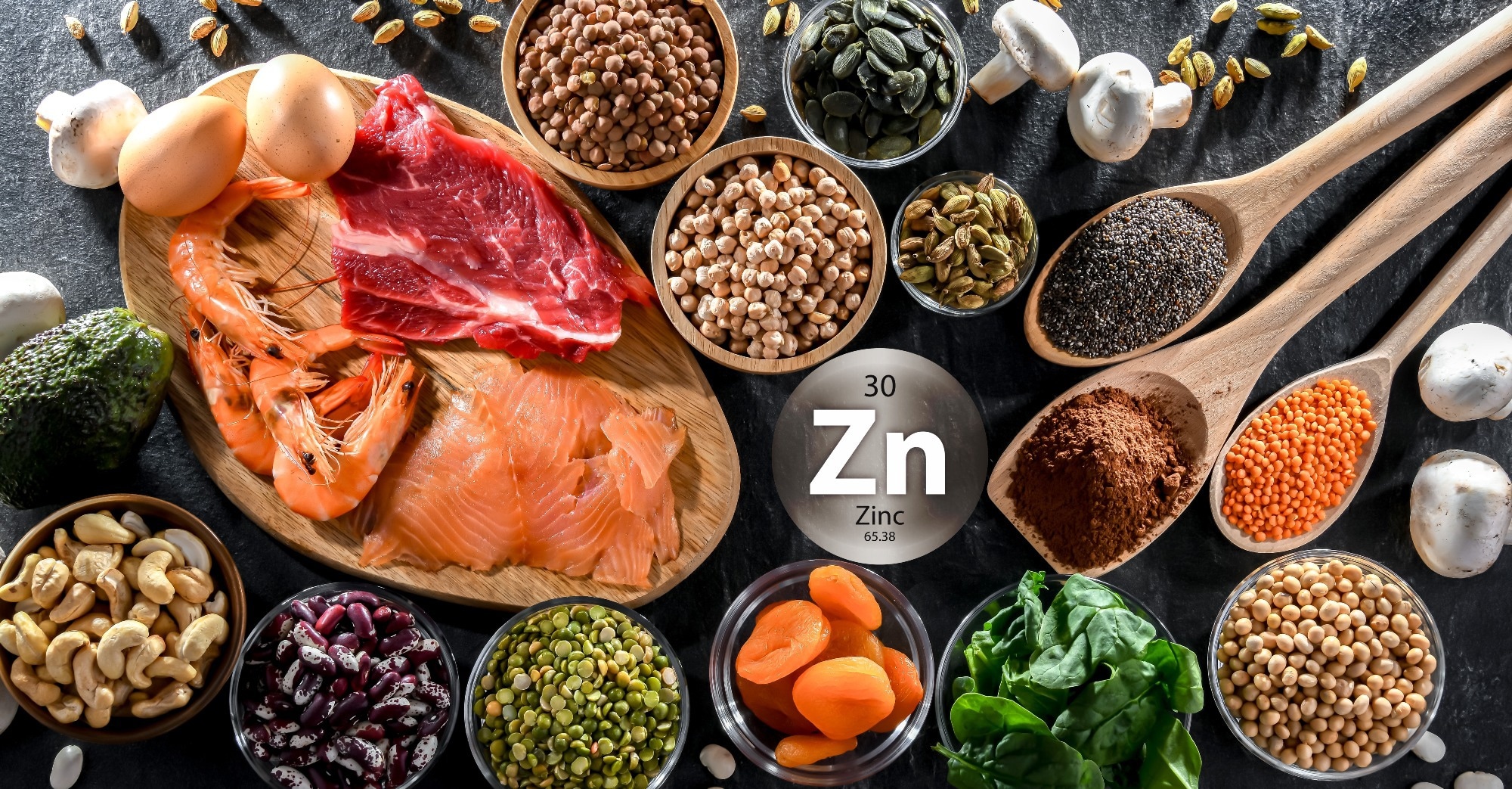
- Oysters
- Red meat and poultry
- Legumes (chickpeas, lentils, beans)
- Nuts and seeds (pumpkin, sesame)
- Whole grains (quinoa, oats, brown rice)
How Zinc Works (Mechanism of Action)
Zinc functions by:
- Acting as a cofactor in over 300 enzymatic reactions
- Supporting immune cell activation
- Stabilizing cell membranes and DNA structures
- Regulating inflammatory pathways
- Supporting neurotransmitter function and hormone regulation
Signs You Might Need Zinc
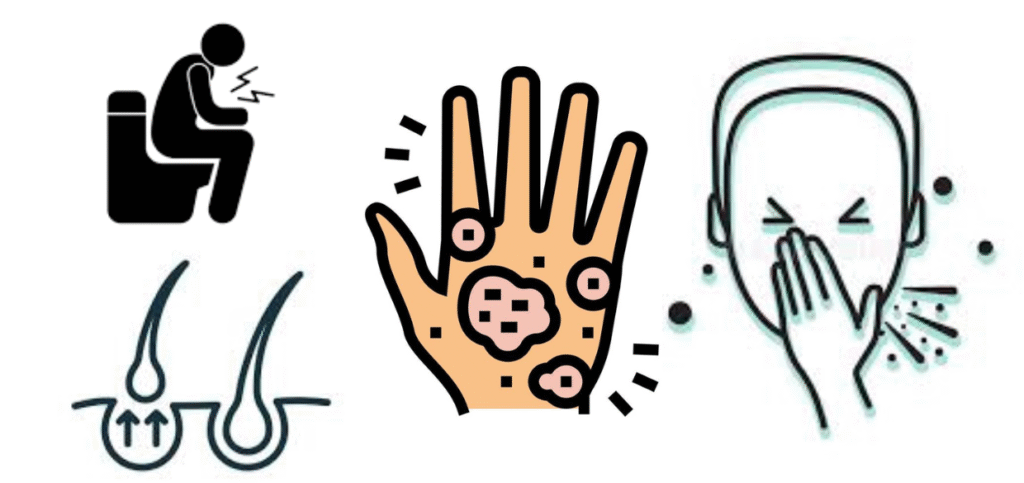
You may need zinc if you experience:
- Hair loss
- Acne, eczema, or frequent skin rashes
- Slow wound healing
- Changes in taste or smell
- Chronic diarrhea
- Frequent colds or infections
Best Forms & Absorption (Bioavailability)
| Form | Bioavailability |
| Zinc bisglycinate/diglycinate | Highly absorbed, gentle on the stomach |
| Zinc picolinate | Also well absorbed |
| Zinc gluconate | Common, good for immune support |
| Zinc acetate or citrate | Moderate bioavailability |
| Zinc oxide | Least absorbed; often used topically or in cheap supplements |
Tips to boost absorption:
- Take on an empty stomach (30 minutes before meals or 2 hours after)
- Avoid taking with iron or calcium, which compete for absorption
How Much Zinc to Take (Dosage)
Recommended Dietary Allowances (RDA)
| Age | Male | Female | Pregnancy | Lactation |
| Birth–6 months | 2 mg | 2 mg | — | — |
| 7–12 months | 3 mg | 3 mg | — | — |
| 1–3 years | 3 mg | 3 mg | — | — |
| 4–8 years | 5 mg | 5 mg | — | — |
| 9–13 years | 8 mg | 8 mg | — | — |
| 14–18 years | 11 mg | 9 mg | 12 mg | 13 mg |
| 19+ years | 11 mg | 8 mg | 11 mg | 12 mg |
For Therapeutic Use
- 45 mg/day: Reduces inflammation
- 50 mg/day: Promotes wound and ulcer healing
- 80–92 mg/day: May reduce cold duration by up to 33%
- 80 mg/day: Slows progression of macular degeneration
Note: High doses may be used short term. Chronic high intake can cause copper deficiency—consult a healthcare provider.
When to Take Zinc
- In the evening (may support hormone balance and immune function)
- Best taken on an empty stomach
– 30 minutes before meals
– Or 2 hours after meals
Side Effects (If Any)
Generally safe, but high doses may cause:
- Nausea
- Vomiting
- Stomach pain or cramps
- Diarrhea
- Long-term use may cause copper deficiency
Who Should Be Careful
- Individuals with gastrointestinal disorders
- Those taking antibiotics or iron supplements
- People supplementing copper (needs proper balance)
Can It Interact With Medications?
Zinc may reduce the effectiveness of:
- Tetracycline antibiotics
- Quinolone antibiotics (e.g., ciprofloxacin)
How to avoid interaction:
Take zinc at least 2 hours before or 4–6 hours after taking these medications.
Important: Always check with your pharmacist or doctor before combining supplements and medications.
Extra Tips
- Avoid long-term high-dose zinc unless supervised
- Look for balanced supplements with zinc and copper
- Zinc lozenges are most effective at the first sign of a cold
- Stay hydrated—zinc may cause mild nausea on an empty stomach
Conclusion
Zinc is essential for immunity, skin health, and healing. If you’re feeling run down, getting sick often, or struggling with slow recovery, it might be time to check your zinc levels.
Add zinc-rich foods to your diet or consider a quality supplement—just be sure to follow proper dosage and timing. For best results, talk to your doctor before starting.