Vitamin B6 Explained: Energy, Brain Health & Hormonal Balance
Quick Facts for Busy Readers
| Topic | Key Points |
| What is Vitamin B6 | Water-soluble vitamin found in many foods; also called pyridoxine |
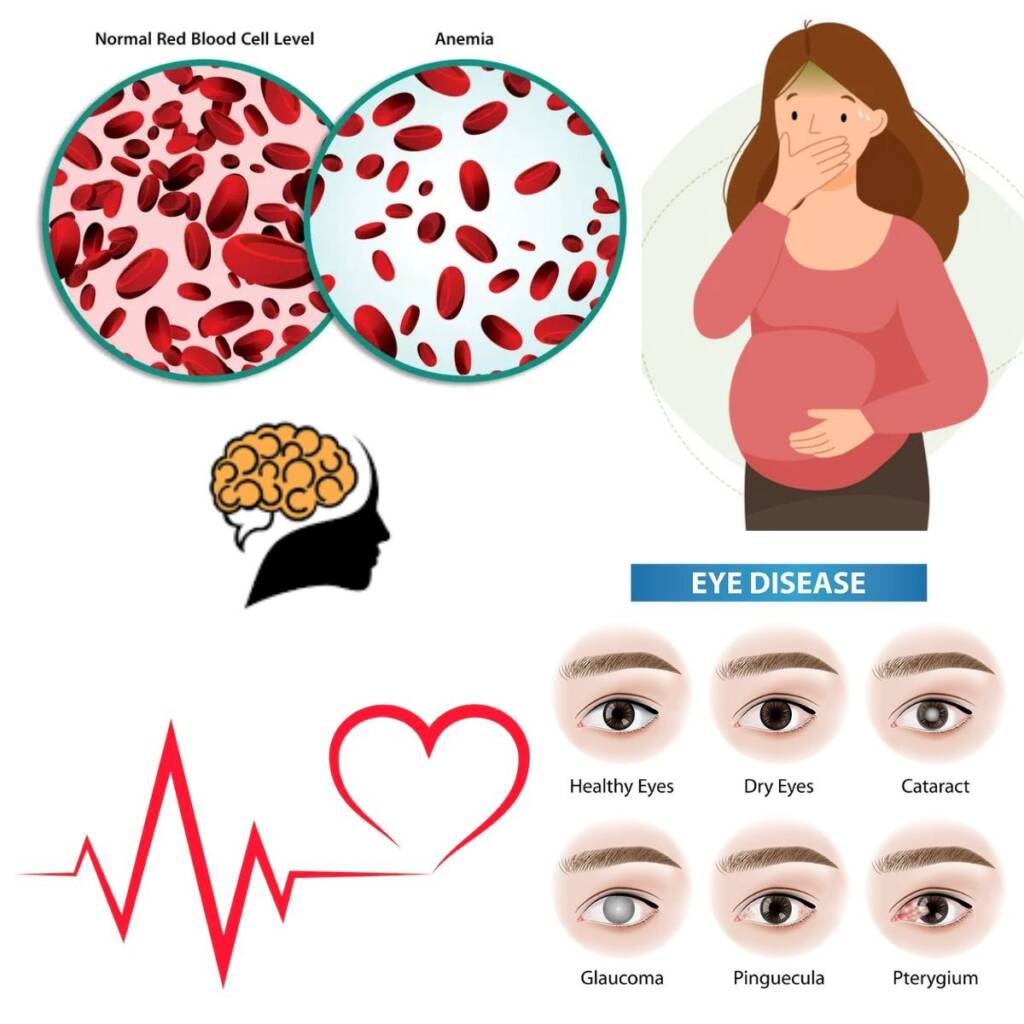
| Benefits | Prevents anemia, supports brain & heart health, eases pregnancy nausea, lowers eye disease risk |
| Dosage | Varies by age/life stage (see full dosage table); 1.3 mg/day for most adults |
| Common Forms | Capsules, tablets, PLP (P-5-P) form is most bioavailable |
| When to Take | Can be taken morning or anytime, before or after food |
| Side Effects | Upset stomach, headache, sleepiness (especially in high doses) |
| Drug Interactions | May interact with cycloserine, levetiracetam, and other antiepileptics |
| Important Note | Always consult your healthcare provider before supplementing |
Low energy? Brain fog? Mood swings?
Vitamin B6 could be the missing piece.
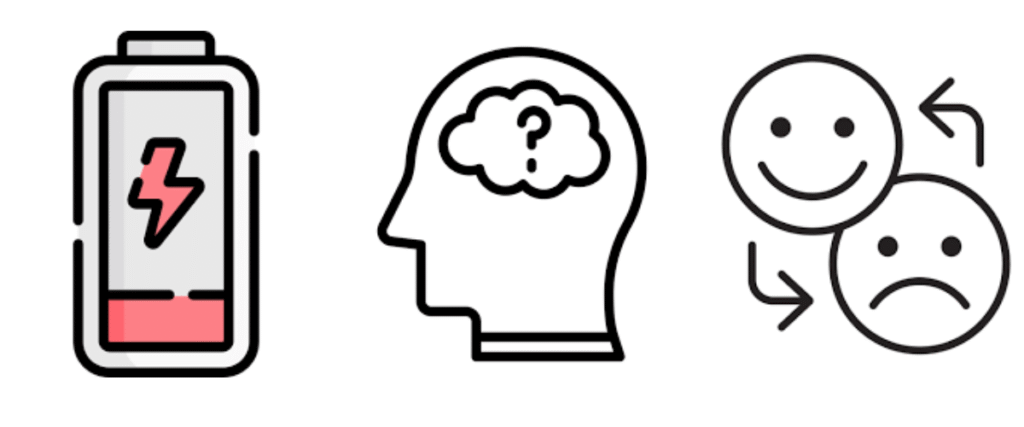
It helps with red blood cells, brain function, and even pregnancy nausea.
Found in common foods and easy to supplement—B6 is small but mighty.
Here’s why it matters and how to use it right.
What Is It?
- Name: Vitamin B6
- Also known as: Pyridoxine
- What it is: A water-soluble vitamin essential for enzyme function, brain health, and metabolism. Present in many common foods.
What It’s Good For
Vitamin B6 may help with:
- Preventing anemia (helps make hemoglobin)
- Supporting brain and nervous system function
- Easing nausea during pregnancy
- Promoting heart health
- Reducing risk of age-related eye diseases
Where It Comes From
Food Sources:
- Fortified cereals
- Beef and poultry
- Starchy vegetables (e.g., potatoes)
- Non-citrus fruits (e.g., bananas)
How B6 Works (Mechanism of Action)
Vitamin B6 (mainly in the form of PLP – Pyridoxal 5’-phosphate) functions as:
| How It Works | What It Does |
| Helper Molecule (PLP) | Supports the body’s natural chemical reactions, including making brain chemicals |
| Gene Support | Helps certain genes work better—especially helpful in rare metabolic conditions |
| Cell Function Support | Aids in keeping the immune system and metabolism working properly |
Signs You Might Need It
You may be deficient in B6 if you experience:
- Microcytic anemia (smaller RBC)
- Dermatitis with cheilosis (scaly lips, cracked corners of the mouth)
- Glossitis (swollen, inflamed tongue)
- Depression and confusion
- Weakened immune function
Best Forms & Absorption (Bioavailability)

Pyridoxal 5’-phosphate (PLP or P-5-P):
Most active and easily utilized form of vitamin B6 in the body. Often preferred in supplements for better absorption.
Recommended Dietary Allowances (RDAs):
| Age | Male | Female | Pregnancy | Lactation |
| 0–6 months | 0.1 mg* | 0.1 mg* | — | — |
| 7–12 months | 0.3 mg* | 0.3 mg* | — | — |
| 1–3 years | 0.5 mg | 0.5 mg | — | — |
| 4–8 years | 0.6 mg | 0.6 mg | — | — |
| 9–13 years | 1.0 mg | 1.0 mg | — | — |
| 14–18 years | 1.3 mg | 1.2 mg | 1.9 mg | 2.0 mg |
| 19–50 years | 1.3 mg | 1.3 mg | 1.9 mg | 2.0 mg |
| 51+ years | 1.7 mg | 1.5 mg | — | — |
How Much to Take (Dosage per day per indication)
| Use Case | Dosage | Notes |
| Nausea in Pregnancy | 10–25 mg orally every 8 hours | Common for morning sickness relief |
| Peripheral Neuropathy Prevention | 25–50 mg/day | For patients on isoniazid (e.g., TB treatment) |
| Pyridoxine Deficiency | 10–20 mg/day IV/IM for 3 weeks | Severe deficiency |
| Mild Deficiency (oral) | 2.5–10 mg/day orally | Maintenance or mild symptoms |
*Taken in the morning or at any time, before or after food
Forms

- Capsules
- Tablets (PLP or pyridoxine hydrochloride)
High-Food Sources of B6
- Fortified cereals
- Bananas
- Chicken breast
- Potatoes
- Tuna
- Turkey
- Spinach
Side Effects
- Upset stomach
- Headache
- Sleepiness or fatigue
Drug Interactions – Use With Caution
| Drug Class | Interaction |
| Cycloserine | Can increase neurotoxic side effects |
| Antiepileptic medications | B6 may reduce side effects like irritability, agitation, and depression (e.g., levetiracetam) |
| Important | Always check with a healthcare provider before combining with other medications |
Extra Tips
- Consistency matters: take it daily at the same time
- Pair with a B-complex for broader vitamin B benefits
- PLP (active form) is ideal if your body has trouble converting regular B6
Start your Journey with b6 TODAY!