Always consult a healthcare provider before starting iron supplementation
Introduction: Why Iron Matters
Iron is a critical mineral your body needs to function properly. It plays a central role in producing hemoglobin, the protein in red blood cells that carries oxygen from your lungs to the rest of your body. It also supports myoglobin in muscles and numerous enzymes involved in metabolism and energy production.
Iron deficiency can lead to fatigue, poor immunity, and even developmental issues. Whether you’re pregnant, menstruating, vegan, or simply feeling low in energy, understanding how to properly supplement iron can greatly improve your well-being.
1. What Is Iron?
Name: Iron
Also Known As:
Ferrous sulfate
Ferrous fumarate
Ferrous gluconate
Ferric citrate
Iron is a micronutrient essential for growth, oxygen transport, and cellular function.
2. What Is Iron Good For?
Iron supports:
Oxygen transport through hemoglobin
Oxygen storage in myoglobin
Energy production in cells
Immune system health
Healthy skin, nails, and hair
Reducing fatigue and improving sleep quality
3. Where Does Iron Come From? (Sources)
Dietary sources include:
Lean red meat, poultry, seafood
Eggs
Beans and lentils
Leafy greens (e.g., spinach)
Iron-fortified grains, cereals, breads
4. How Does Iron Work? (Mechanism of Action)
Iron is absorbed in the small intestine and used to form:
Hemoglobin – transports oxygen in red blood cells
Myoglobin – stores oxygen in muscles
Enzymes – support metabolism and DNA synthesis
Supplementation helps restore iron in people with low stores or high demand.
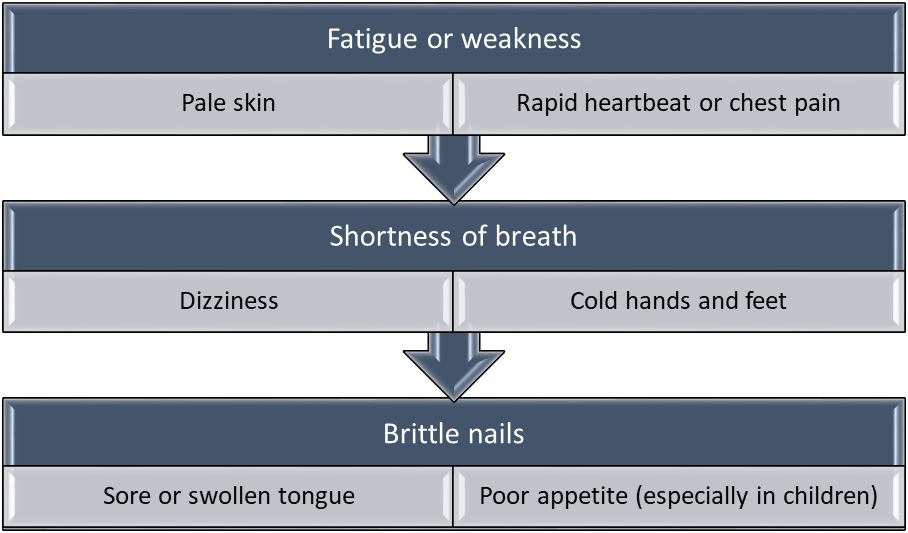
5. Signs You Might Need Iron
Common signs of iron deficiency:
6. Best Forms & Absorption (Bioavailability)
Form Comparison Table
Form
Bioavailability
Notes
Iron bisglycinate
High
Best tolerated; minimal GI side effects
Ferrous sulfate
Moderate
Effective but may cause GI upset
Sucrosomial iron
Moderate
Raises hemoglobin without impacting ferritin much
Liposomal iron
High
Improves ferritin and is gentle on the stomach
Absorption Tips
Take in the morning on an empty stomach
Avoid calcium, dairy, caffeine, or antacids
Take with vitamin C (like orange juice) to boost absorption
7. How Much Iron to Take (Dosage)
Typical Supplement Dosages
Form
Dose (Elemental Iron)
Frequency
Notes
Ferrous fumarate
29–150 mg
Every other day
Daily use may reduce absorption
Ferrous gluconate
27–38 mg
Every other day
Gentler than sulfate
Ferrous sulfate
65 mg
Every other day
Most common; may cause GI discomfort
Recommended Dietary Allowances (RDA)
Age Group
Male
Female
Pregnancy
Lactation
Birth–6 months
0.27 mg*
0.27 mg*
–
–
7–12 months
11 mg
11 mg
–
–
1–3 years
7 mg
7 mg
–
–
4–8 years
10 mg
10 mg
–
–
9–13 years
8 mg
8 mg
–
–
14–18 years
11 mg
15 mg
27 mg
10 mg
19–50 years
8 mg
18 mg
27 mg
9 mg
51+ years
8 mg
8 mg
–
–
8. Forms Available
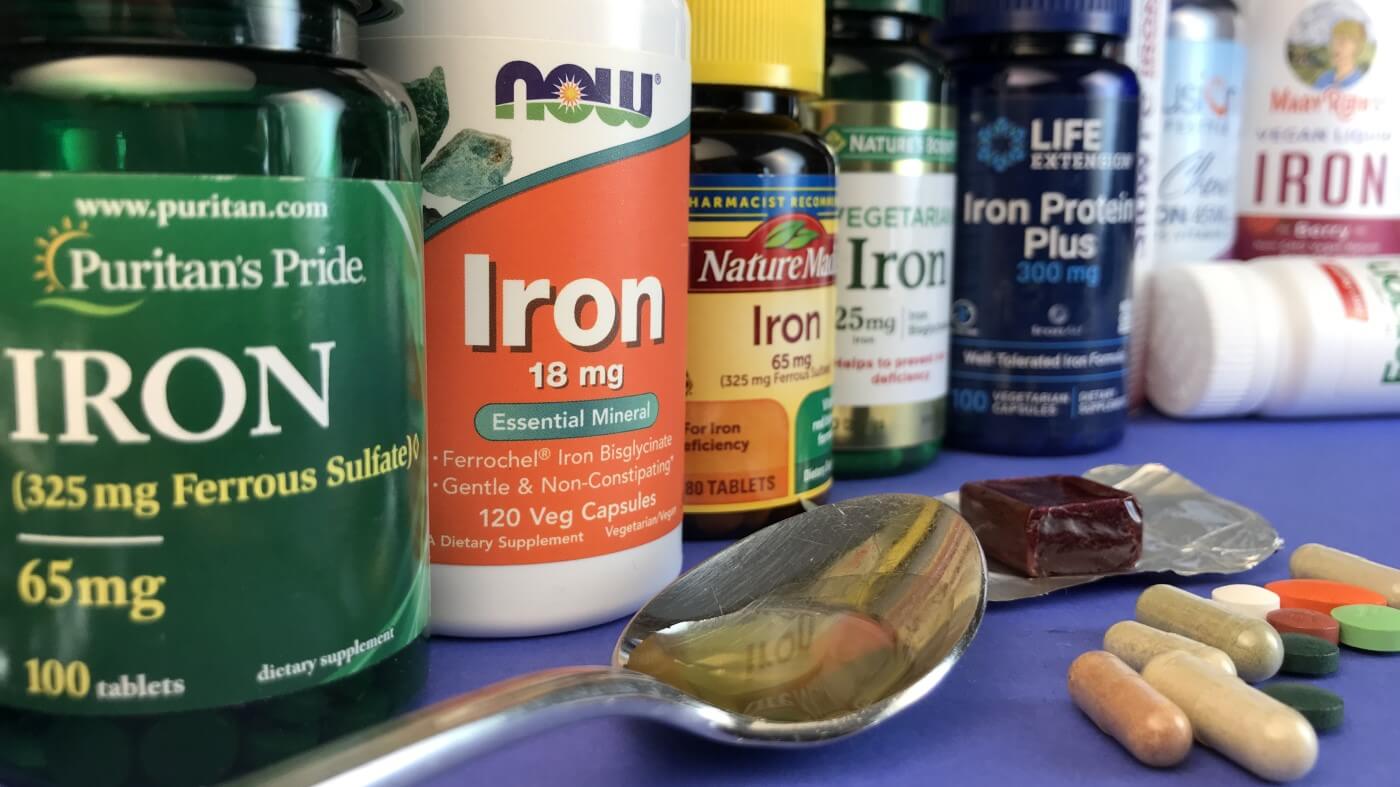
Iron supplements are available as:
Tablets
Capsules
Liquid
Gummies
Powder
9. When to Take Iron
Take in the morning, on an empty stomach
Avoid with dairy, antacids, calcium, or caffeine
Taking iron every other day may enhance absorption


:max_bytes(150000):strip_icc()/the-benefits-of-vitamin-c-supplements-89083-primary-recirc-ec07af56471e41caa683c0d7ed67c6b2.jpg)